
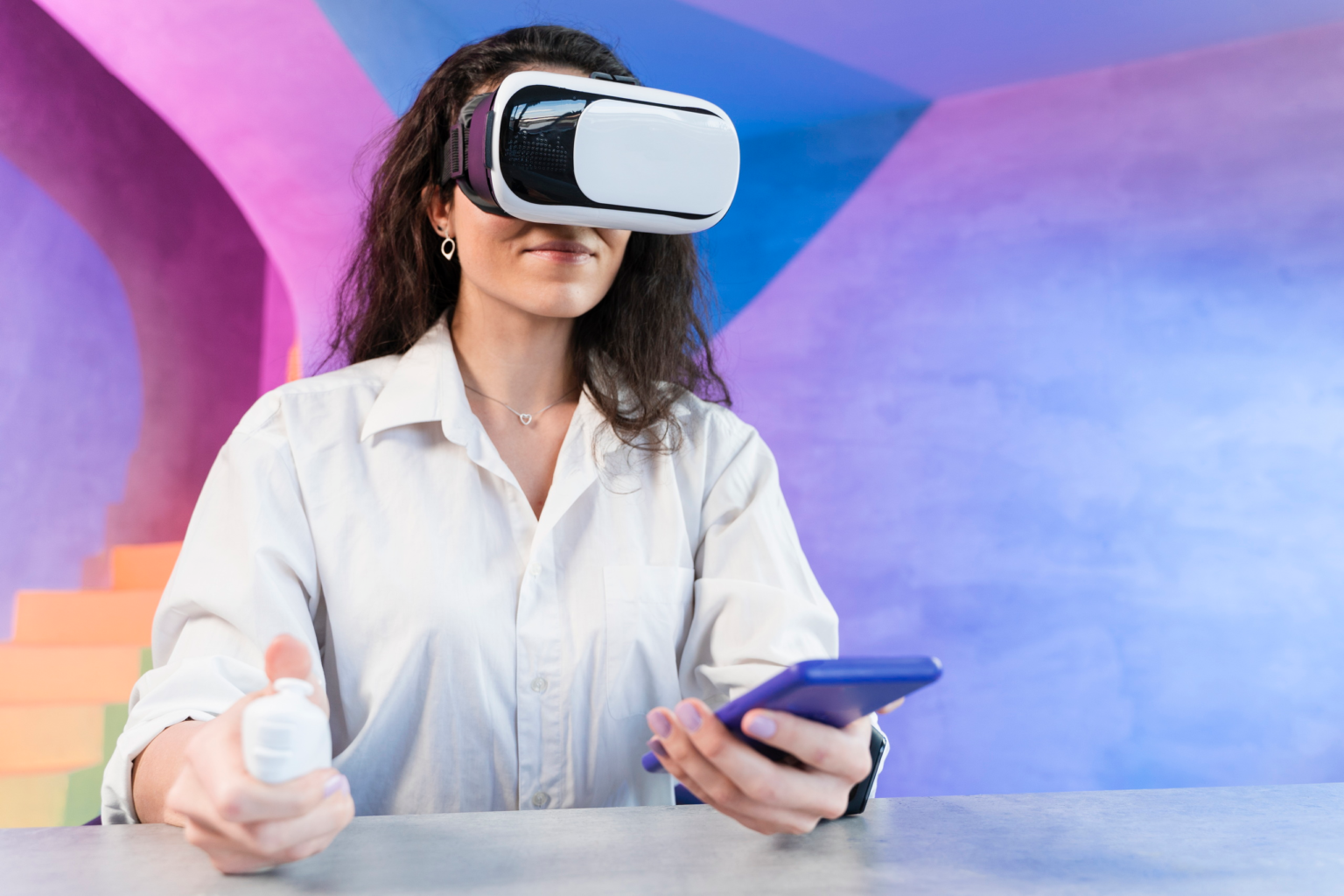
Why visionOS Design Is Nothing Like Mobile Design (And What You Need to Know Instead)
Spatial UI design for visionOS requires designing for eye tracking, variable depth environments, and transparent window materials, not just porting flat interfaces to 3D. Key differences include three-dimensional layout, eye-gaze primary navigation, and interaction design that accounts for visual fatigue.Share
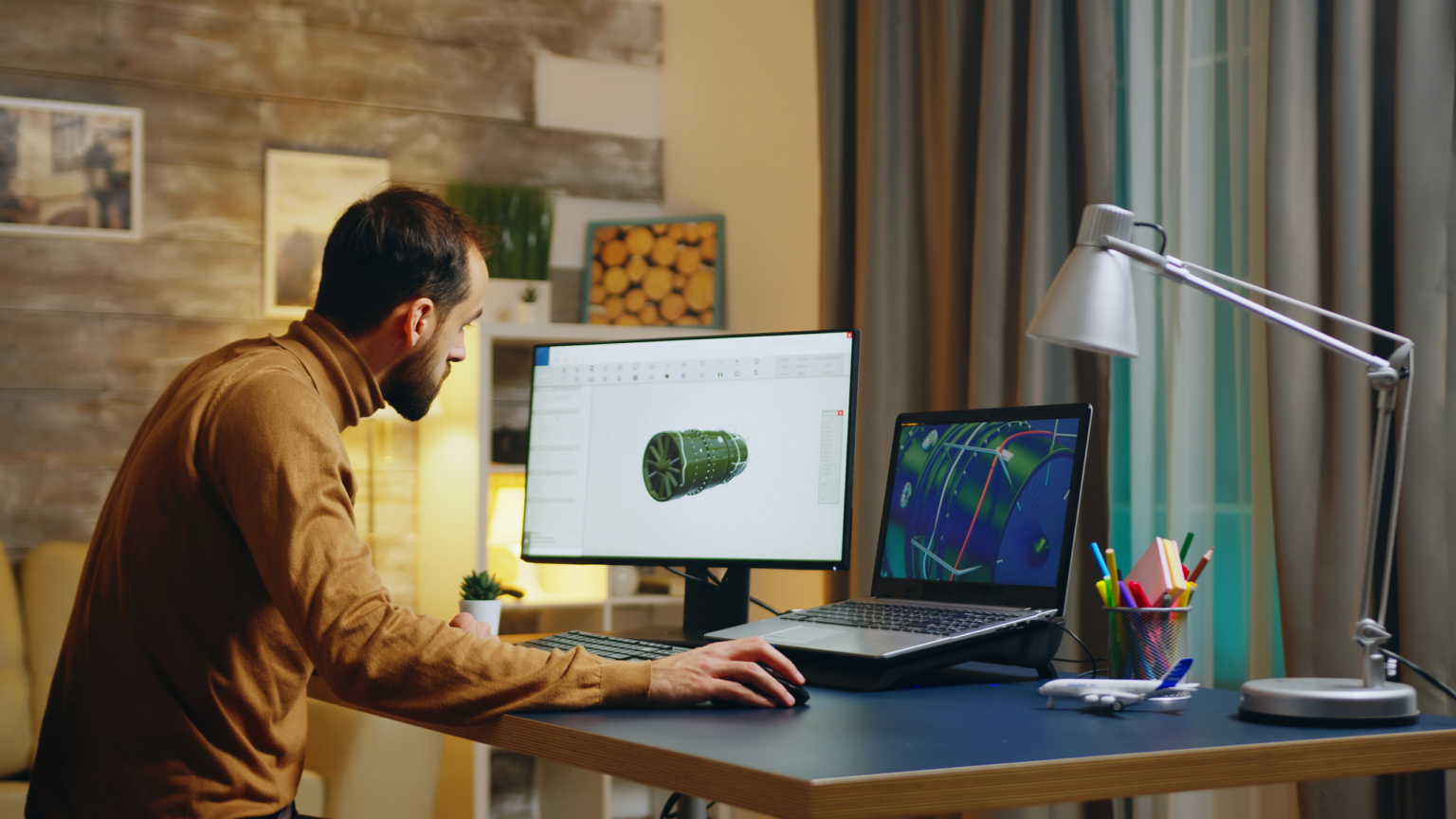
AI Design Systems in 2026: Where Automation Actually Saves Time and Where It Doesn’t
AI-augmented design systems use machine tools for documentation generation, token audits, and design-to-code validation, not visual generation. Teams that see real time savings apply AI at the decision and documentation layers, not the creative layer.Share
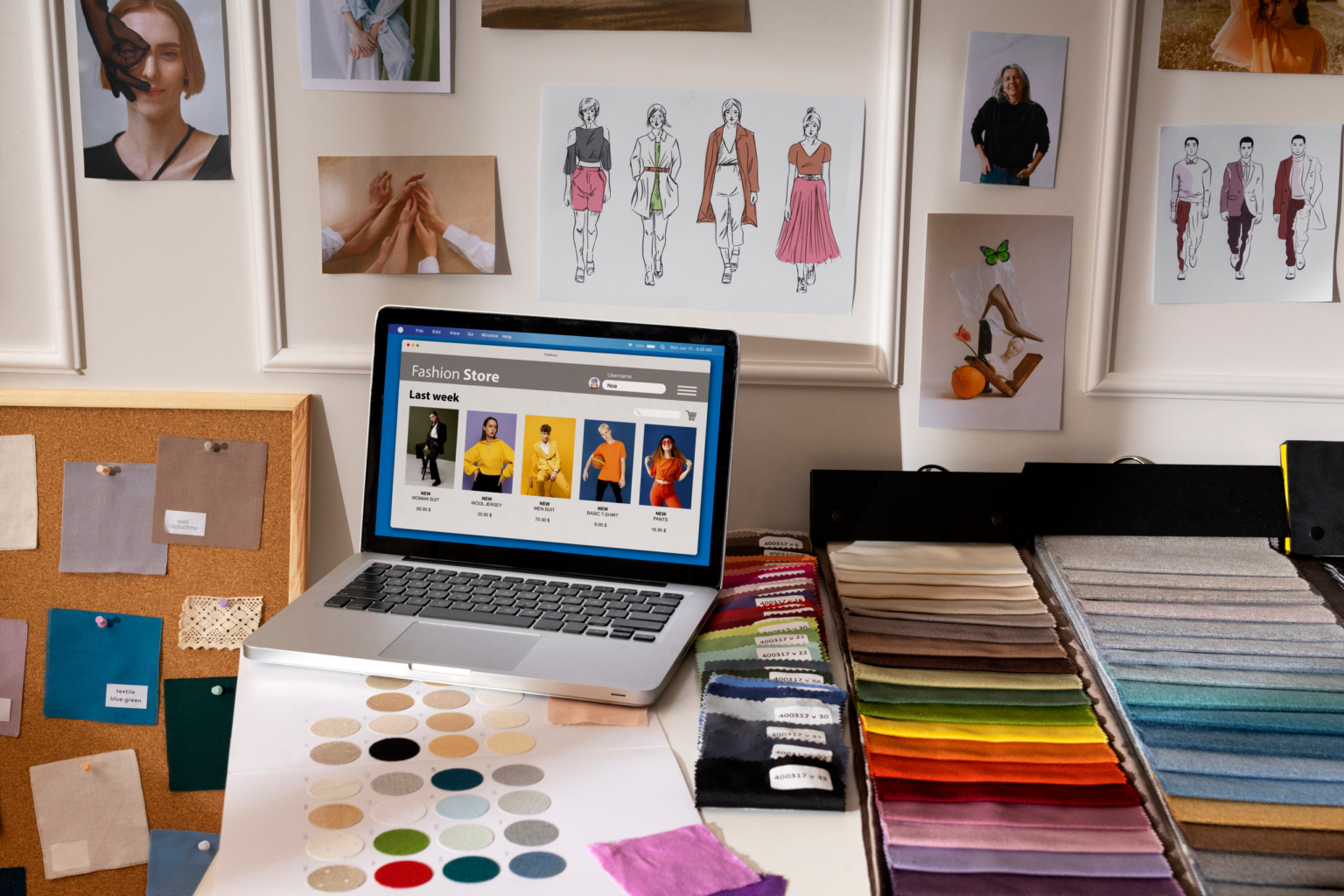
Design Systems for Dynamic, Responsive Brands: Building the Architecture That Scales
Design systems eliminate micro-decisions, accelerate development, and ensure brand consistency. Learn the layered approach: principles, tokens, components, and patterns. Discover the phased implementation timeline and how to measure success as your system matures.
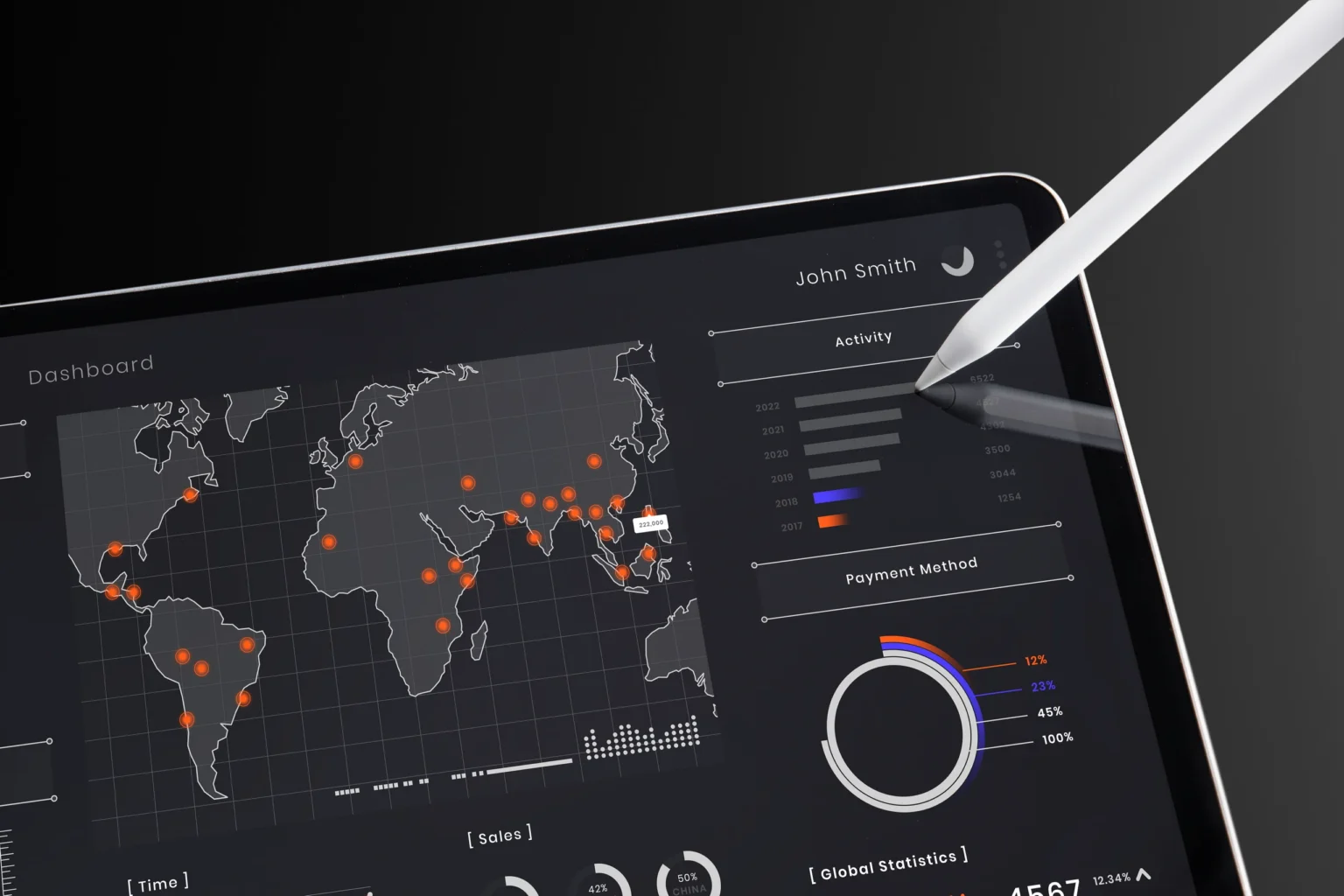
Dark Mode UI: Best Practices for Design and Implementation
Dark Mode isn’t just an aesthetic choice, it’s a usability and brand statement. Uncover the science behind dark interfaces, accessibility factors, and expert design principles for creating an elegant, functional Dark Mode UI.
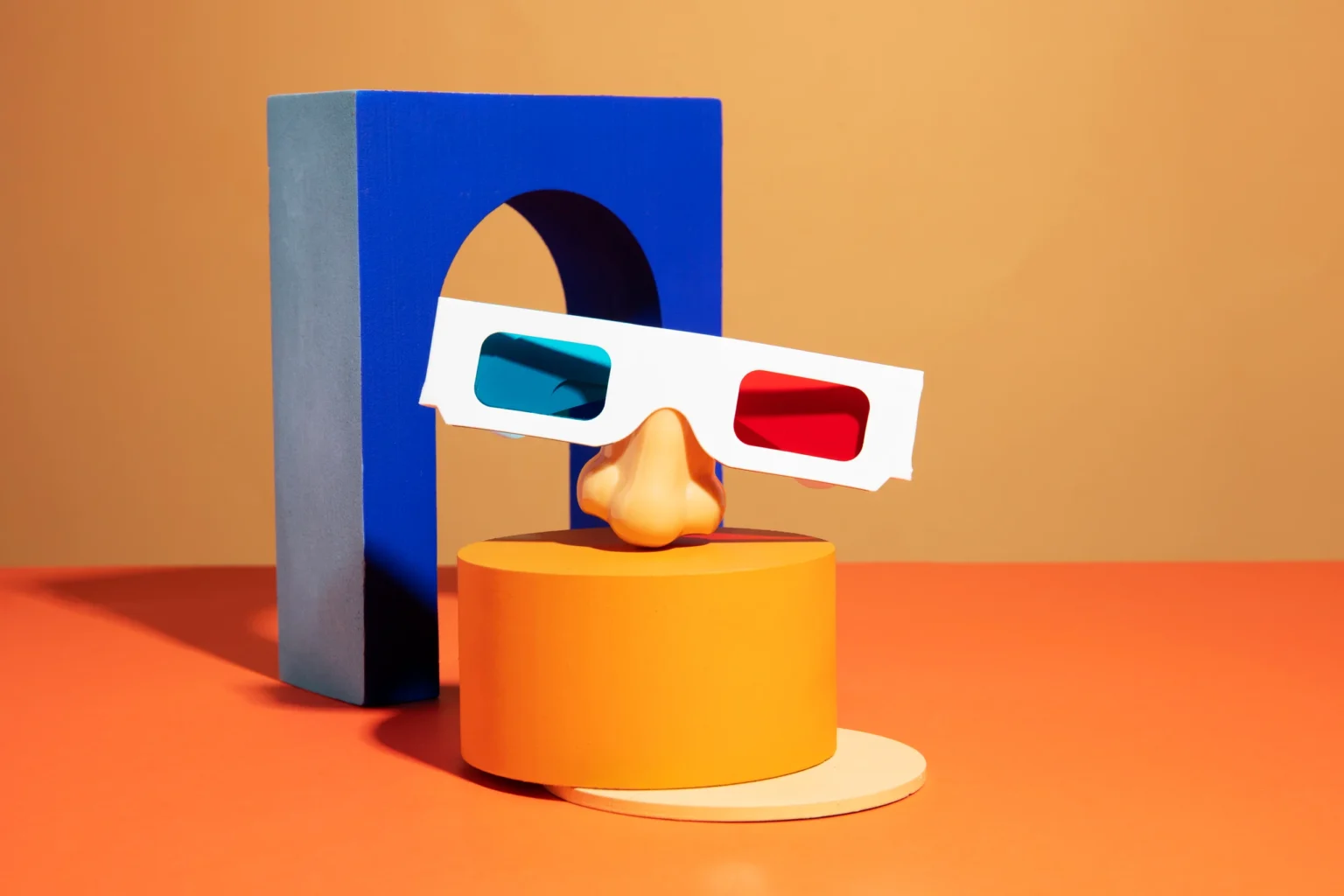
Minimalist vs. Maximalist Design: Which Works Better for Brands?
Should your brand say more or less? Dive into the psychology behind minimalist and maximalist design, their impact on user perception, and how to choose the right design language for your digital identity.
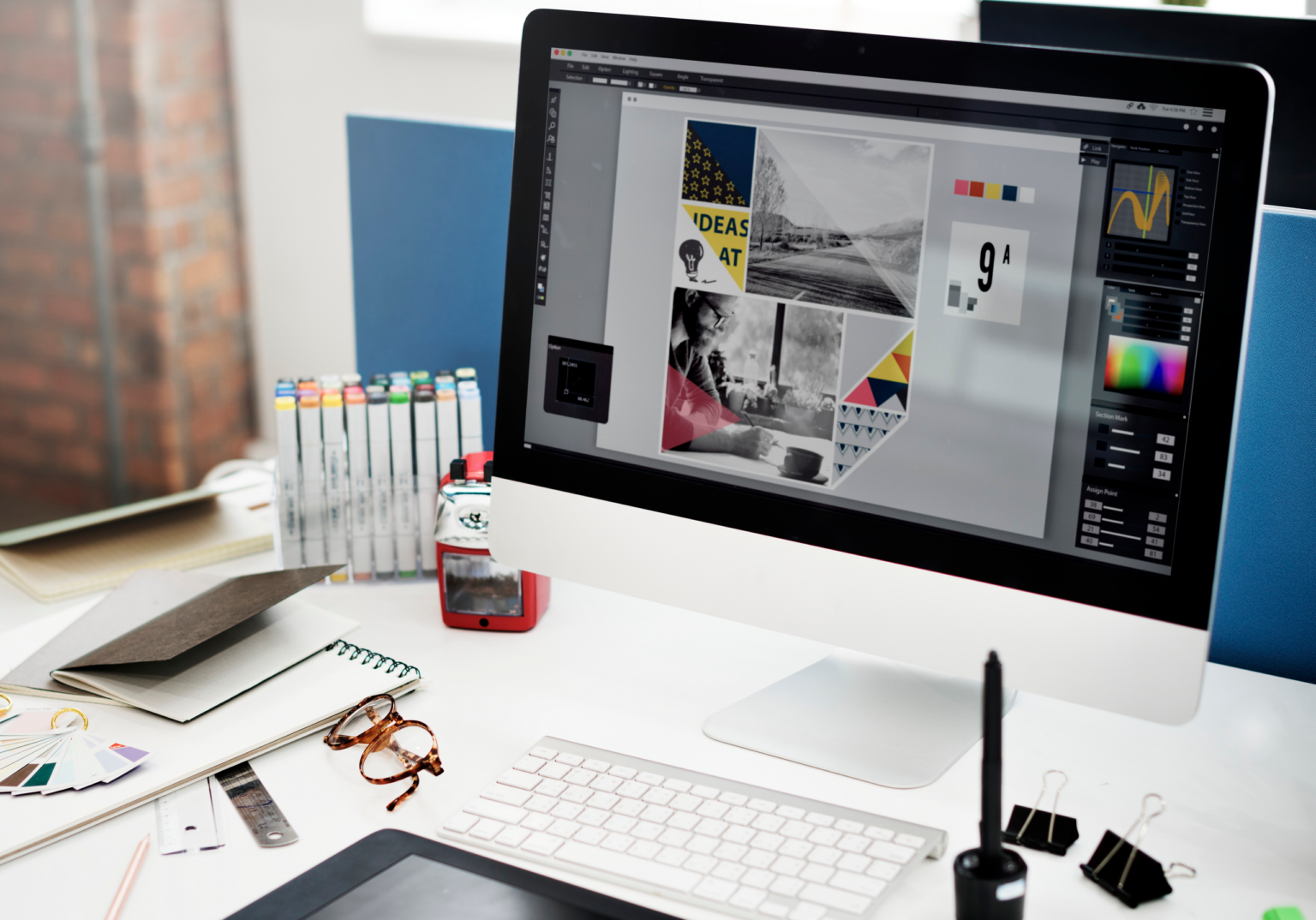
Typography in Design: Choosing the Right Fonts for Your Brand
When we talk about branding, most business owners think of logos, colors, and slogans.
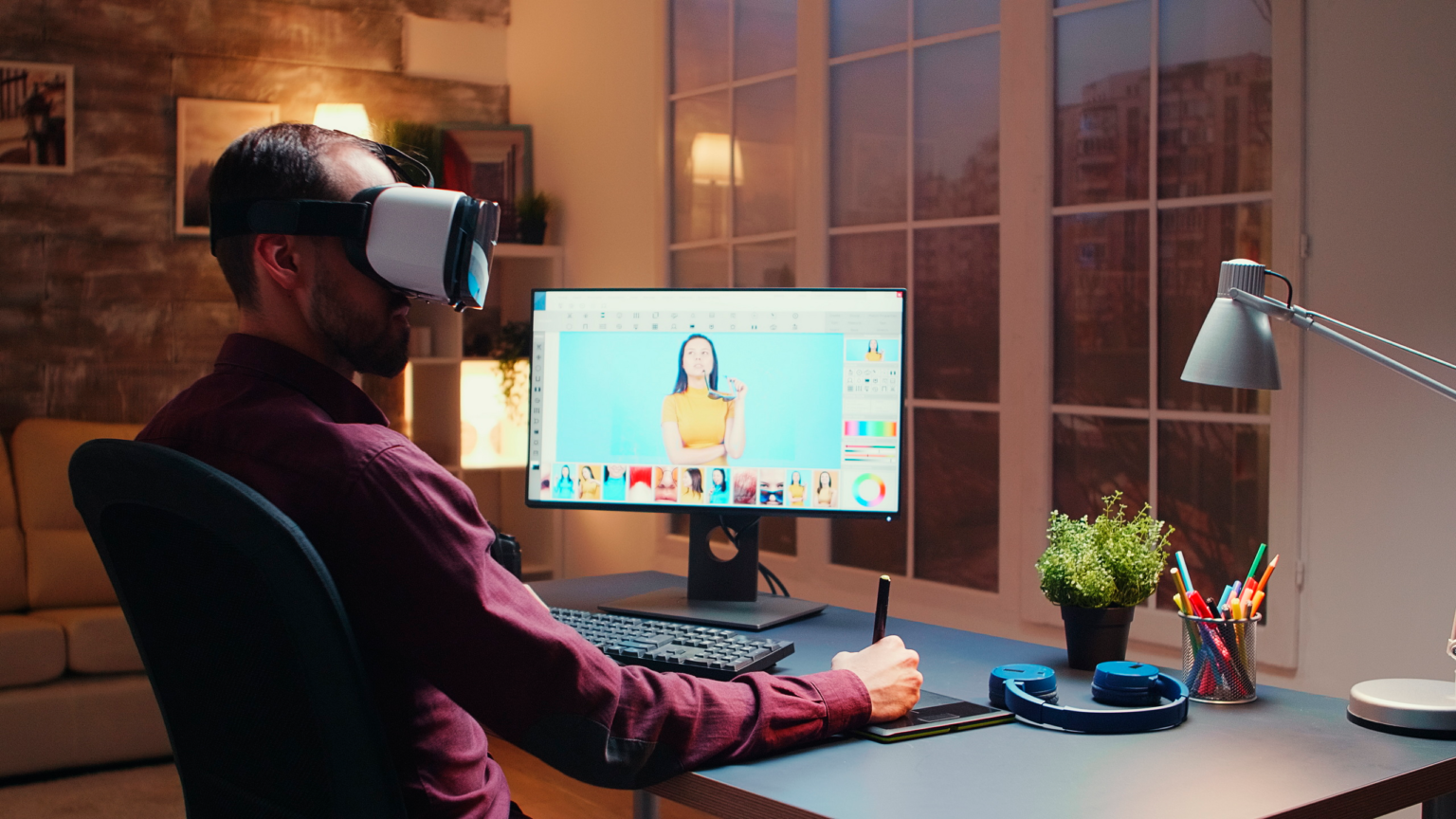
The Rise of Generative AI in Design: Tools and Applications Reshaping Creativity
Design is no longer just about aesthetic appeal — it’s about speed, scale, and personalization.

Accessibility in UI/UX Design: Creating Inclusive User Experiences
Did you know that 1 in 4 adults in the U.S. lives with a disability?

Color Psychology in Design: How to Choose Colors That Convert
Color plays a powerful role in influencing consumer behavior. Whether it’s a website, logo, ad, or product packaging.
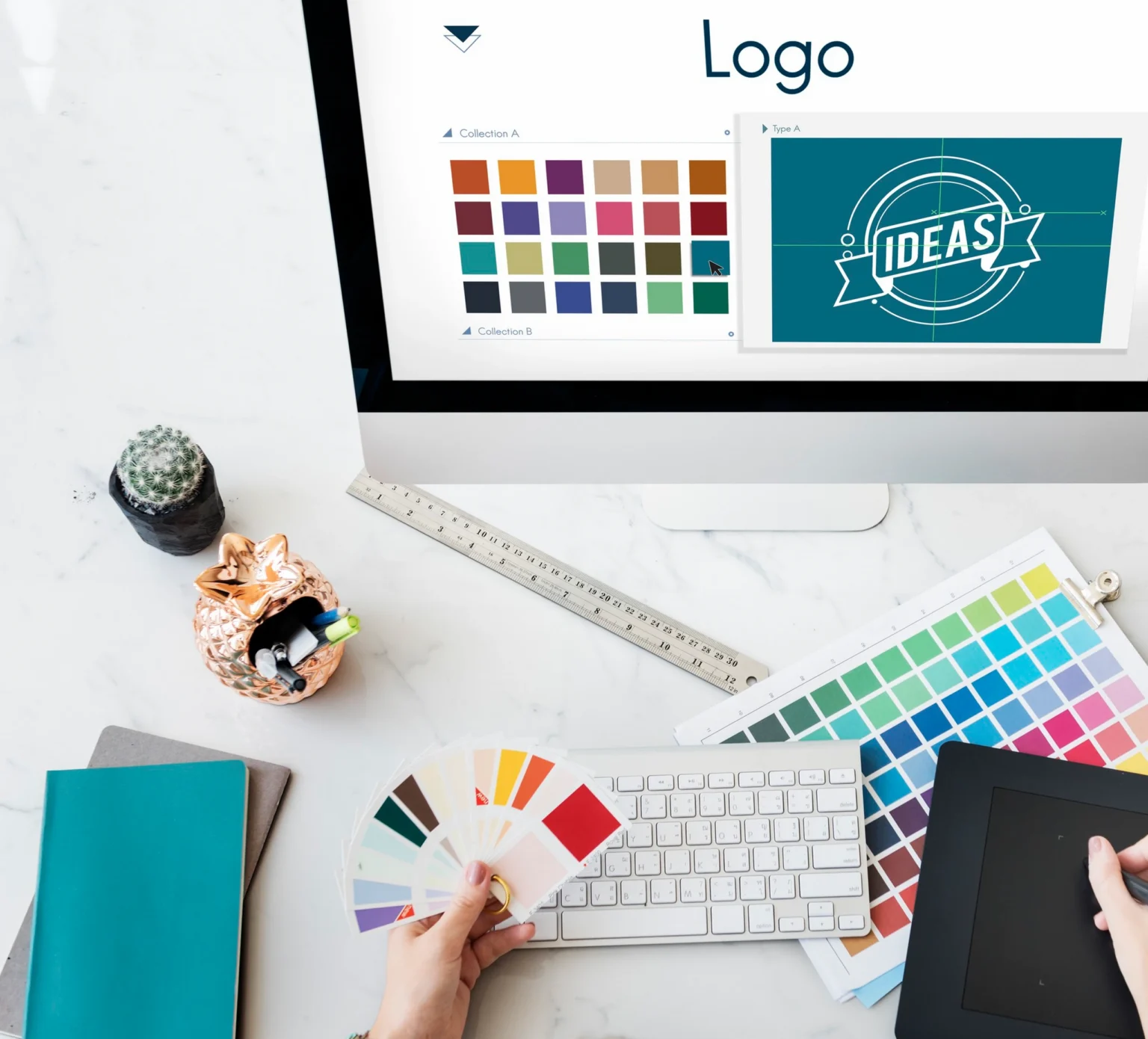
The Importance of Brand Consistency in Graphic Design
In today’s competitive market, a consistent brand identity is more than just a logo or tagline.