

GitHub Copilot vs. Cursor vs. Windsurf: Which AI Coding Assistant Is Worth the Subscription
GitHub Copilot, Cursor, and Windsurf take different approaches to AI coding; this post compares them for real-world development workflows.

The Psychology of Loading States: Why What Happens While Users Wait Matters More Than You Think
Loading states shape perceived speed more than actual load time; this post explains how to design them effectively to improve UX and conversions.

Cloudflare vs. Vercel vs. AWS Edge: Choosing the Right CDN for Your Stack in 2026
Cloudflare, Vercel, and AWS CloudFront serve content at the edge; this post compares them and helps you choose the right one.

Zero-Party Data in Lead Generation: How to Get Prospects to Tell You What They Want
Zero-party data is information users share directly; this post explains how to use it to improve personalization and lead generation.

Maintaining Brand Consistency When AI Is Generating Your Visuals
AI image tools are fast but often inconsistent; this post explains how to keep visuals on-brand using a simple framework.

Building AI Marketing Agents: From First Lead to Qualified Opportunity
AI marketing agents bridge the gap between lead capture and sales-ready opportunities through automated qualification and engagement.

Behavioral Psychology in Conversion Copy: The 2026 Framework That’s Working
Behavioral psychology has mapped how people actually make decisions; and most conversion copy ignores it entirely.

How Multi-Agent Content Workflows Work in 2026 (And Which Teams Are Ready for Them)
Multi-agent AI workflows automate research, writing, editing, and repurposing, helping content teams scale faster with less manual work.

Edge Inference for Mobile Apps: Running AI Without Hitting the Cloud
Edge inference lets mobile apps run AI directly on the device, no cloud required. In 2026, it’s the difference between instant AI features and frustrating delays.
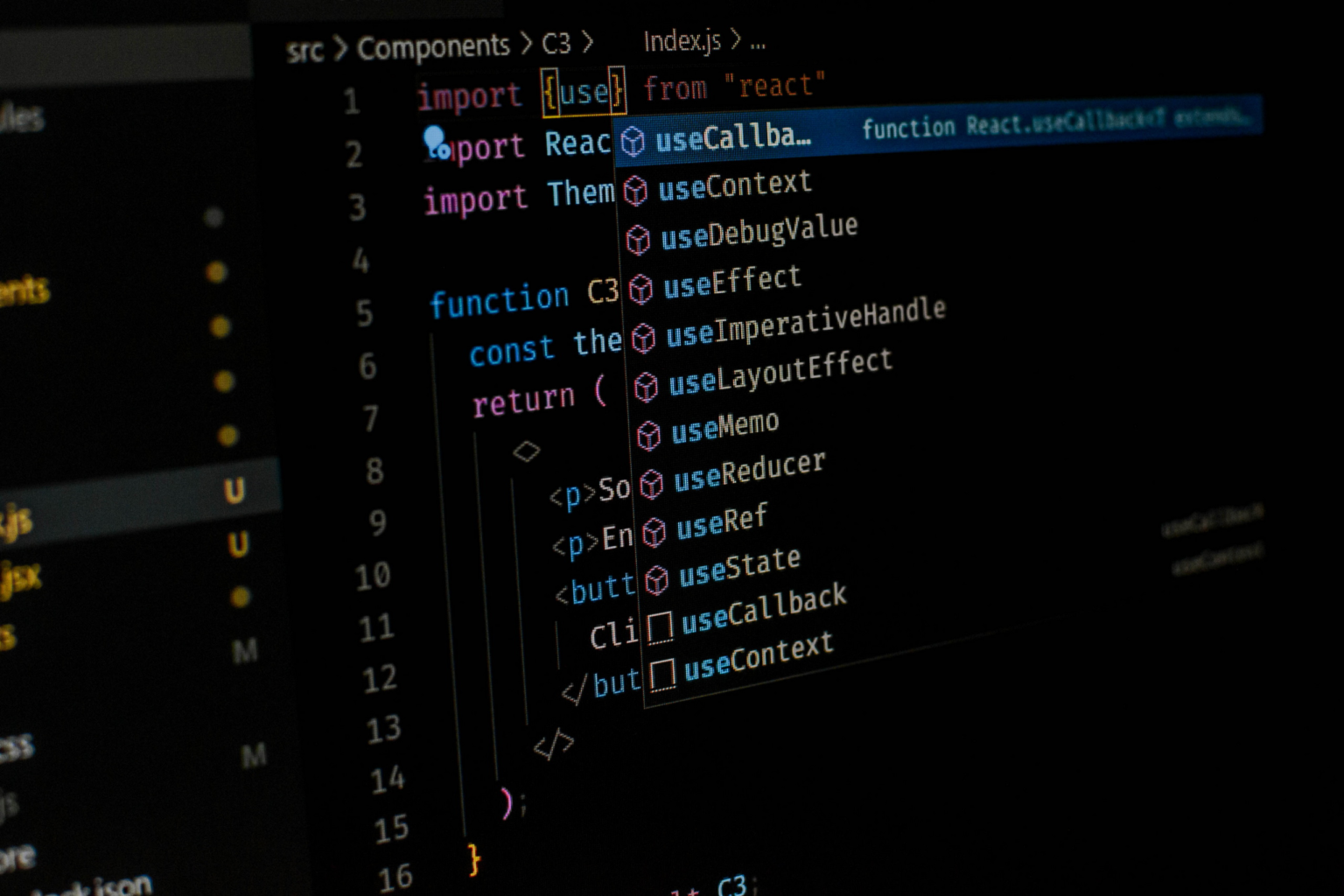
Which JavaScript Framework Should You Use in 2026? A Decision Framework With No Tribal Allegiances
In 2026, Next.js suits complex applications with mixed static and dynamic content; Remix fits form-heavy, data-driven applications with web-native patterns; Astro is the clear choice for content-first sites prioritizing performance. The best framework depends on use case, not popularity.Share