

The Psychology of Loading States: Why What Happens While Users Wait Matters More Than You Think
Loading states shape perceived speed more than actual load time; this post explains how to design them effectively to improve UX and conversions.

Why visionOS Design Is Nothing Like Mobile Design (And What You Need to Know Instead)
Spatial UI design for visionOS requires designing for eye tracking, variable depth environments, and transparent window materials, not just porting flat interfaces to 3D. Key differences include three-dimensional layout, eye-gaze primary navigation, and interaction design that accounts for visual fatigue.Share
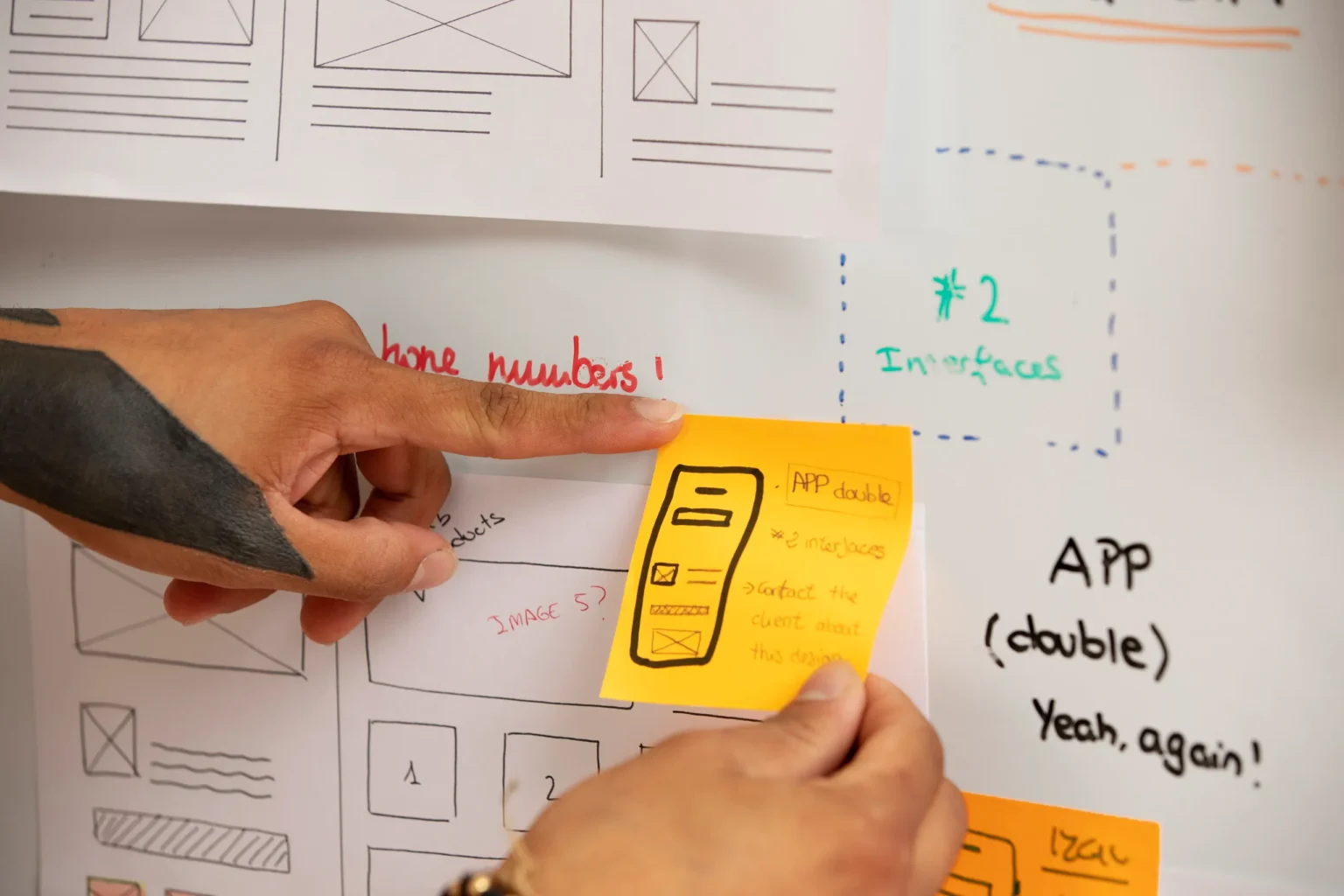
A/B Testing with AI: How Smart Teams Find UX Winners Faster in 2026
Every UX team has lived through this particular frustration. You have two design directions.
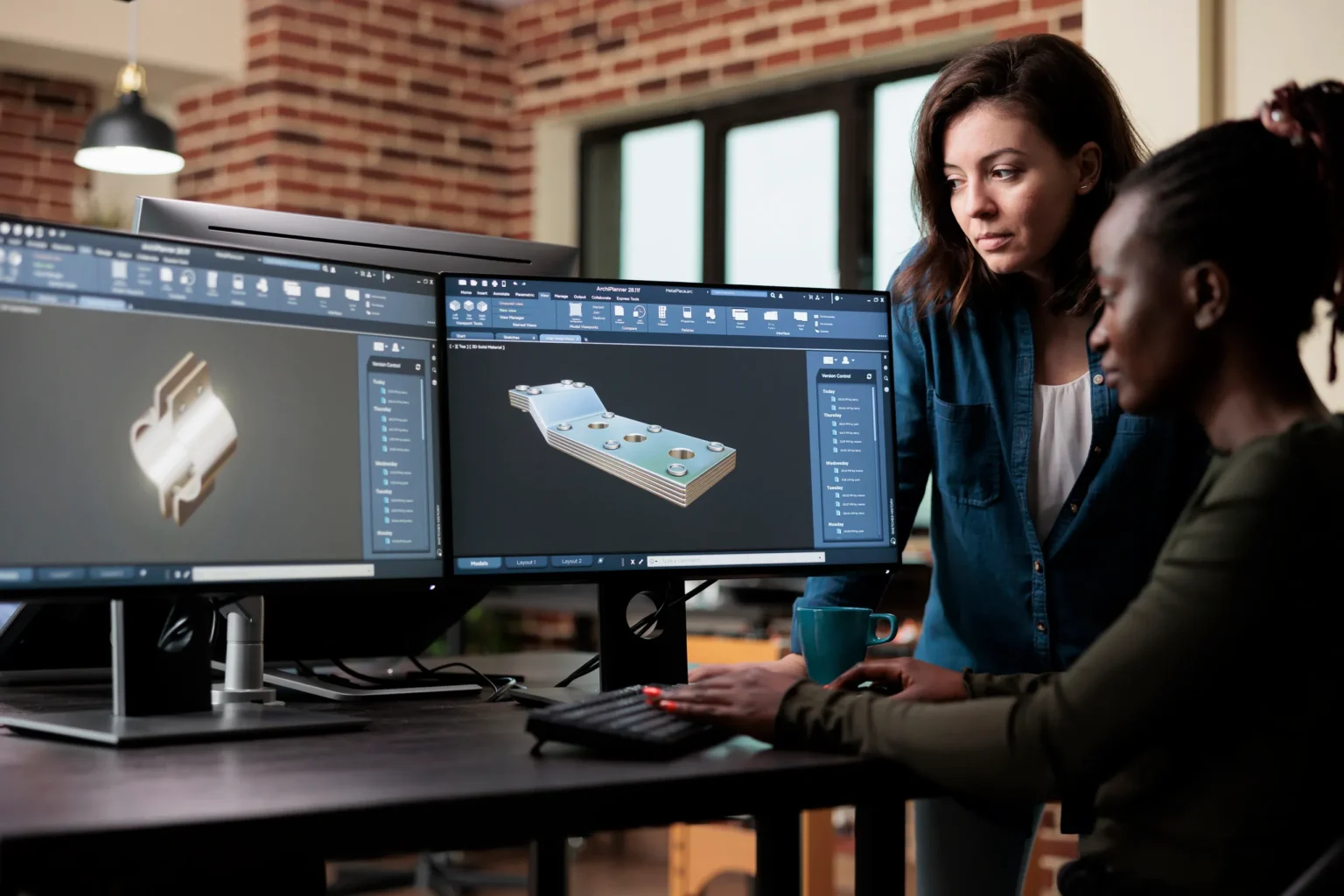
Advanced Prototyping with No-Code Tools: Building Production-Grade Prototypes Without Code
No-code tools let you validate ideas 95% faster and cheaper than traditional development. Learn which tools for which projects, common mistakes, and the hybrid approach (no-code + code) that winning teams use for sustainable growth.
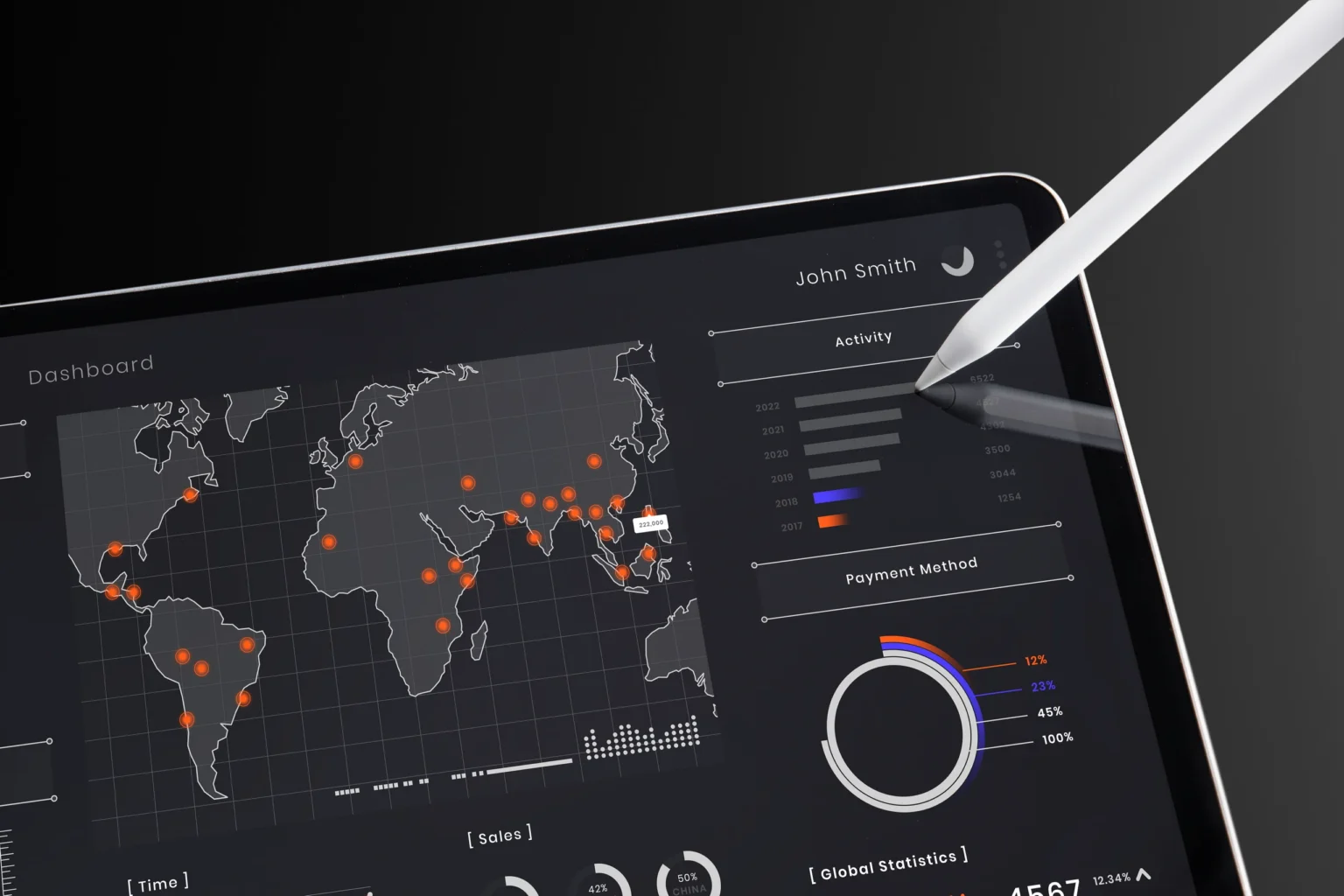
Dark Mode UI: Best Practices for Design and Implementation
Dark Mode isn’t just an aesthetic choice, it’s a usability and brand statement. Uncover the science behind dark interfaces, accessibility factors, and expert design principles for creating an elegant, functional Dark Mode UI.

How to Design for AR (Augmented Reality) Experiences
Augmented Reality (AR) has shifted from a futuristic gimmick to a mainstream business tool.
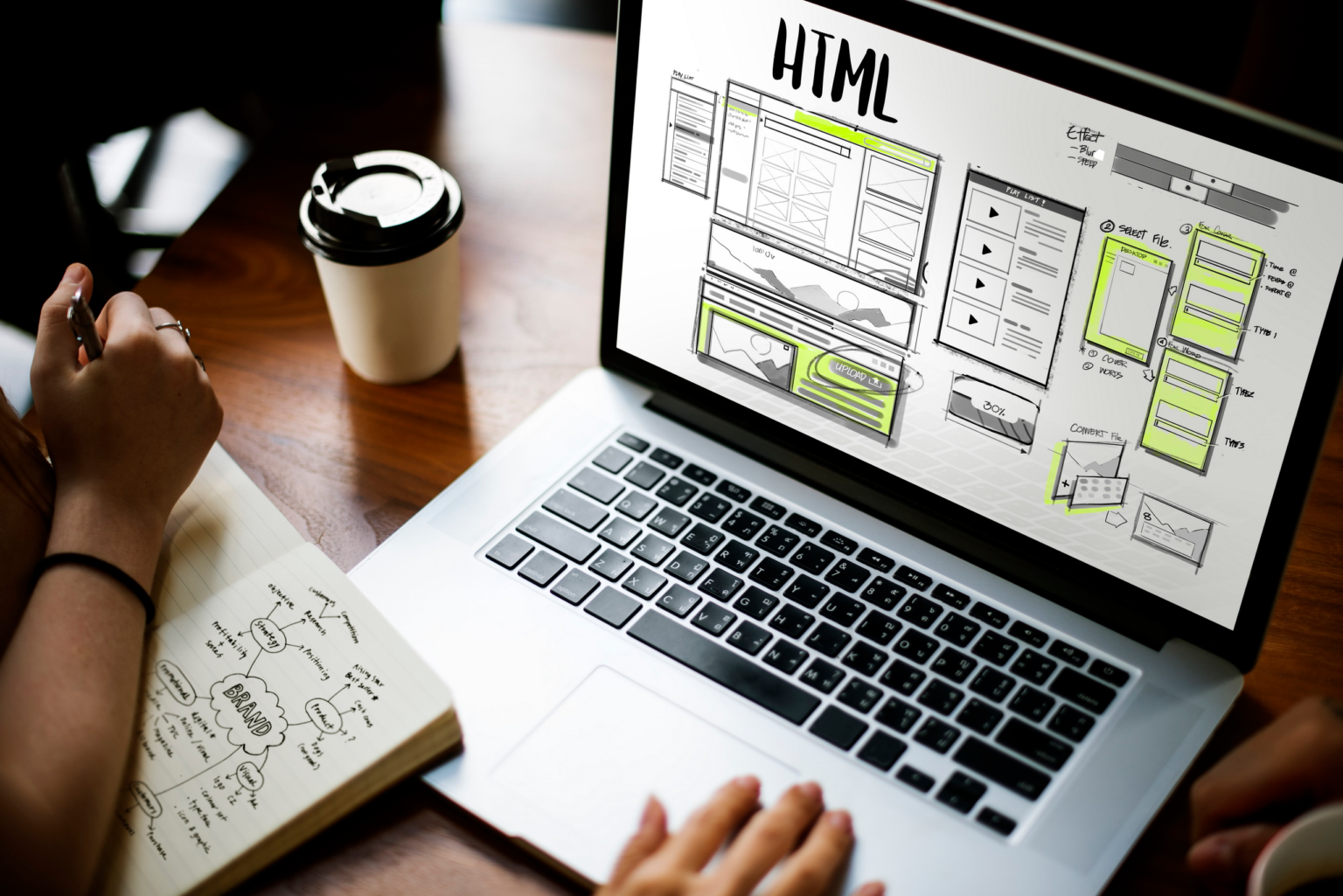
Usability Testing: Methods and Best Practices for Business Websites
In today’s hyper-competitive digital world, a beautiful website is not enough.
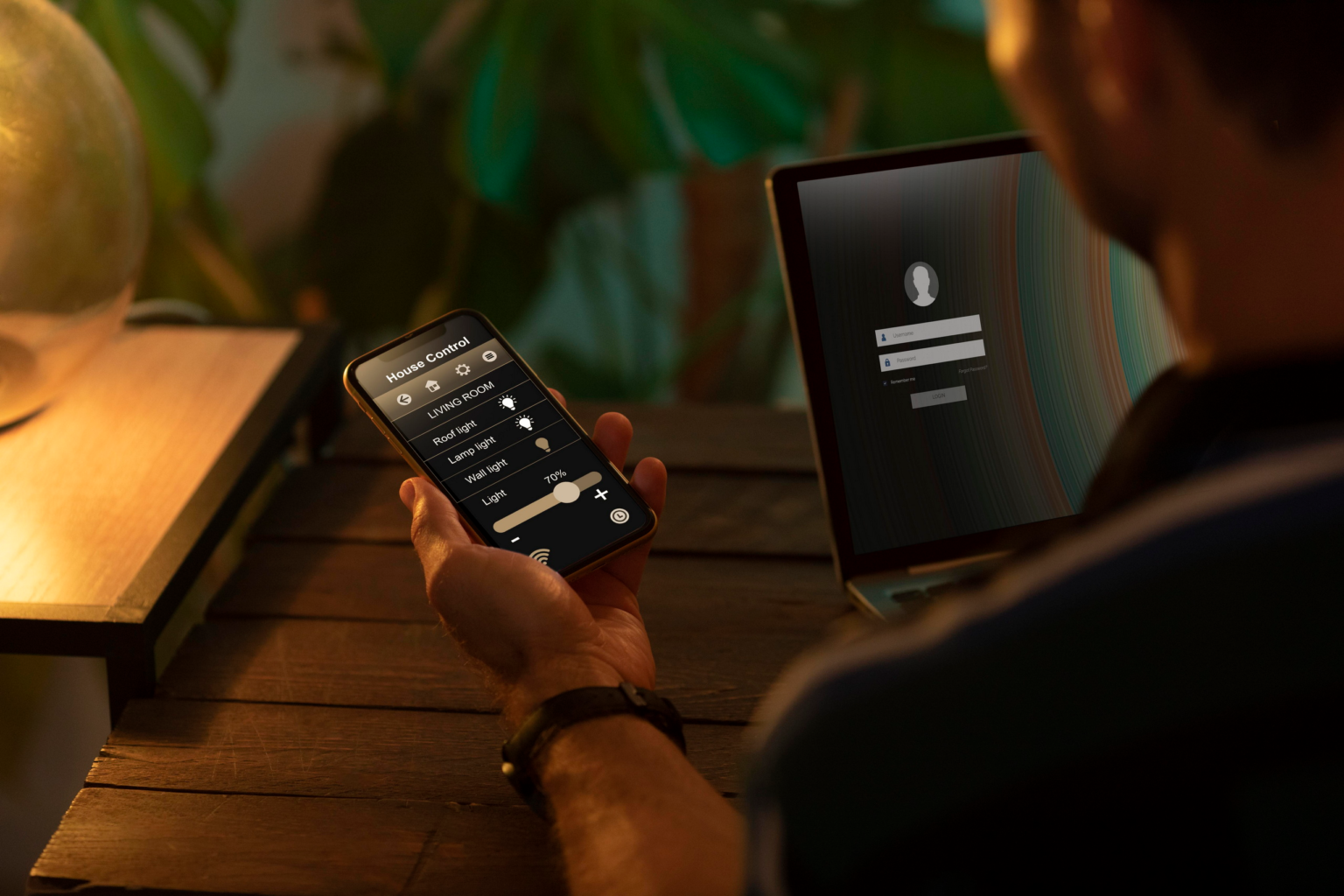
The Rise of Voice User Interfaces (VUIs): Shaping the Future of Digital Interaction
As screens shrink and user expectations rise, the way we interact with technology is undergoing a radical transformation.

Accessibility in UI/UX Design: Creating Inclusive User Experiences
Did you know that 1 in 4 adults in the U.S. lives with a disability?
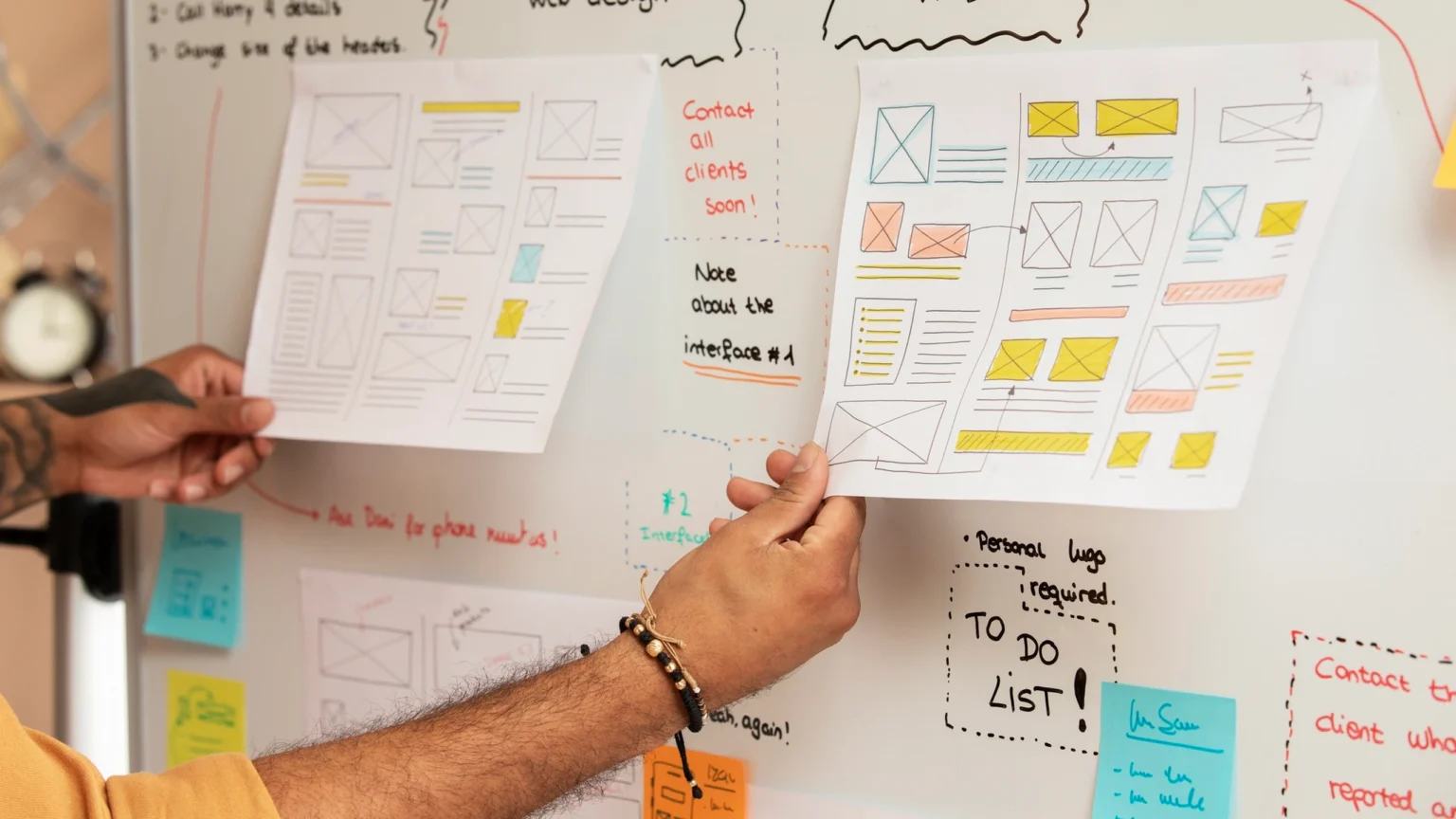
The Principles of Good User Interface (UI) Design
When designing websites or applications, one of the most important aspects to consider is user experience (UX), and UI (User Interface) design is at the heart of this.